About Course
Neuro networking in learning methodology for learners. – Albert Einstein research
How Has Neuroscience Changed The Classroom?
by TeachThought Staff
There is often a big divide between what happens in the laboratory and the way laboratory findings are practically applied.
The relationship between neuroscience research and education is no exception. While there are numerous educational products that claim to be based on neuroscience research (often quite dubiously so), the real impact of brain-based research on education has been much more subtle.
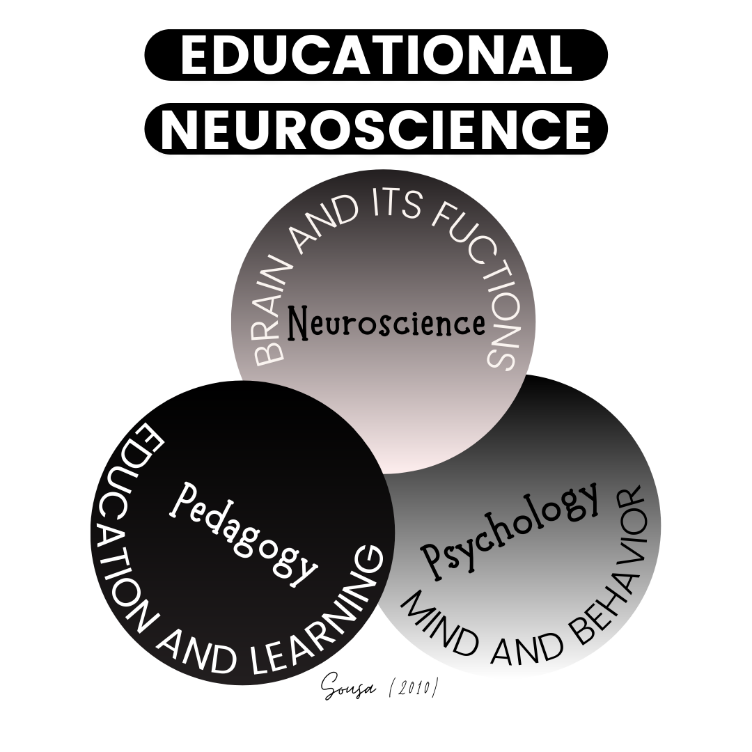
While neuroscience hasn’t yet radically changed the way we think about teaching and learning, it is helping to shape educational policies and influencing new ways of implementing technology, improving special education, and streamlining day-to-day interactions between teachers and students.
While there is still a long way to go before we truly understand the science of learning and how to use those findings in the real world classroom, it’s important to highlight some of the key ways that neuroscience is changing the classroom of today for the better.
Course Content
Neuroscience in education
-
Pedagogy
-
Neuroscience in the Classroom
-
Trends on neuro-science in education